
Tulsi exosome.
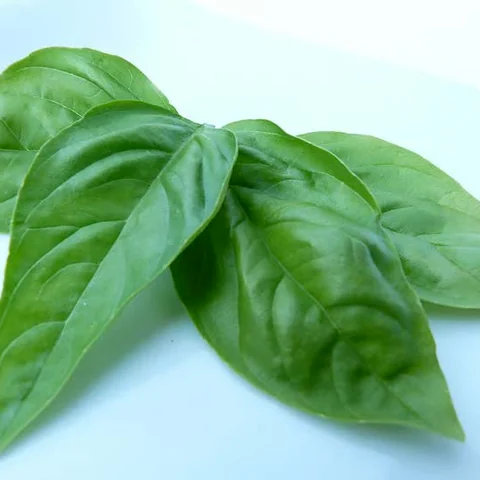
Extracellular vesicles from Ocimum sanctum (leaf), characterised around eugenol, flavonoids, phenolic compounds. Positioned for anti-inflammatory skincare, antimicrobial protection.
What it is, and where it fits.
Extracellular vesicles from Ocimum sanctum (leaf), characterised around eugenol, flavonoids, phenolic compounds. Positioned for anti-inflammatory skincare, antimicrobial protection.
Suggested use
- Serums, ampoules and creams
| Specification (indicative) | |
|---|---|
| Source | Ocimum sanctum |
| Source type | Leaf |
| Platform | Plant-derived |
| Bioactive components | Eugenol, flavonoids, phenolic compounds |
| Particle size | 40–150 nm |
| Concentration | 1 × 10⁹ particles/mL |
| Minimum order | 1 × 10¹² particles |
| Grade | Cosmetic & research grade |
| Status | Available |
| Product code | TU13 |
Batch values are stated on the Certificate of Analysis. Research and cosmetic grade; not for direct human or veterinary drug use.
About Tulsi.
What is Tulsi Exosome?
Tulsi Exosome is a plant-derived exosome from Ocimum sanctum (leaf), 40–150 nm in size. It is characterised around eugenol, flavonoids, phenolic compounds.
Is it available now?
Yes. It is supplied at 1 × 10⁹ particles/mL with a minimum order of 1 × 10¹² particles, with a Certificate of Analysis and Safety Data Sheet. Pricing and lead time on request.
What grade is it?
Cosmetic & research grade. EXOMIE supplies research- and cosmetic-grade materials and makes no diagnostic, treatment or cure claims.
Need Tulsi in your formulation?
Research question, bulk requirement or a product for your brand — we’ll route it to the right team and reply with a clear next step.